
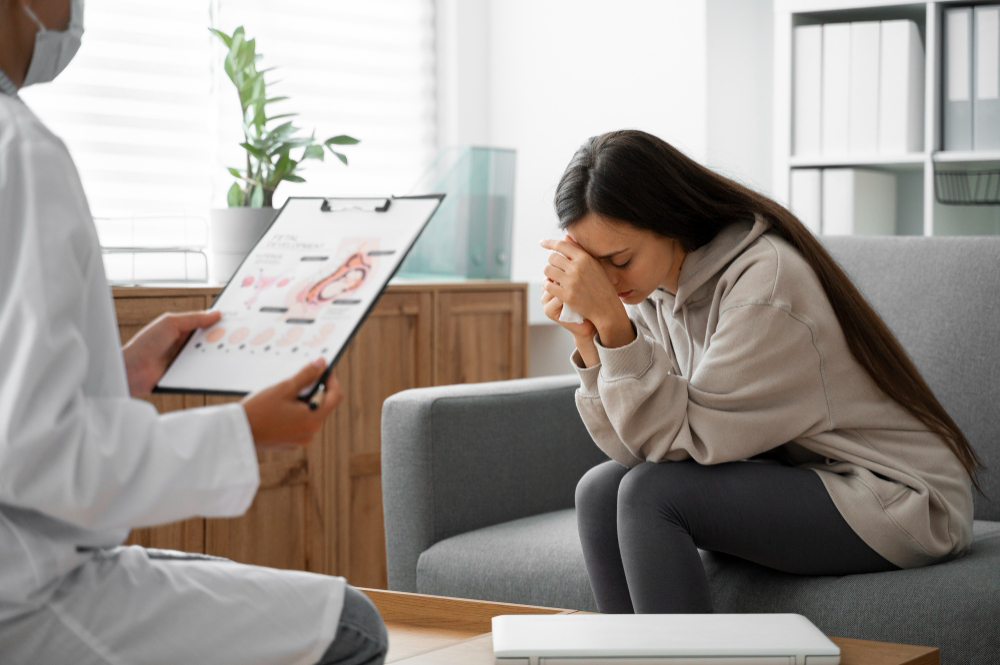
What is Miscarriage?
Miscarriage is the loss of a pregnancy before 20 weeks. Doctors also call it early pregnancy loss or spontaneous abortion. Many women experience miscarriage, and it is more common than people think. According to the World Health Organization (WHO), about 10 to 20 percent of known pregnancies end in miscarriage. Often, miscarriage happens before a woman even knows she is pregnant. Although it can be upsetting, miscarriage is usually not caused by anything a woman did or did not do.
Common Symptoms of Miscarriage
It is important to know the signs of miscarriage. Early pregnancy loss can look different for each person. However, some symptoms are more common. If you notice any of these, you should contact your doctor right away:
Sometimes, mild spotting can be normal in early pregnancy. But, heavy bleeding or severe pain should always be checked by a healthcare provider.
Causes and Risk Factors
Many miscarriages happen because the baby does not develop as expected. Most often, this is due to problems with the baby’s chromosomes. Chromosomes carry genetic information. When there is a problem, the pregnancy may not continue. Other risk factors include:
Even so, many women with these risk factors have healthy pregnancies. Sometimes, the cause of miscarriage is never found.
How Miscarriage is Diagnosed
If you have symptoms of miscarriage, your doctor will want to check you. First, they may ask about your symptoms and medical history. Then, they may do a physical exam. Often, doctors use:
These tests help confirm if a miscarriage has happened or if the pregnancy is still ongoing.
Treatment and Medical Care
Treatment for miscarriage depends on your situation. Sometimes, the body passes all pregnancy tissue on its own. Other times, medical care is needed. Your doctor may suggest:
After a miscarriage, your doctor will check to make sure your body is healing well. They may also talk with you about when it is safe to try for another pregnancy, if you wish.
Emotional Support and Coping
Miscarriage can be very hard emotionally. Many women feel sad, guilty, or even angry. These feelings are normal. It can help to talk with someone you trust. Some ways to cope include:
Remember, you are not alone. Many women and families have gone through this experience.
Prevention and Lifestyle Guidance
While not all miscarriages can be prevented, some healthy habits may lower your risk. For example, you can:
Even with the best care, miscarriage can still happen. It is important to remember that most women go on to have healthy pregnancies in the future.
If you have concerns about miscarriage or early pregnancy loss, consult your healthcare provider for advice that fits your needs.