
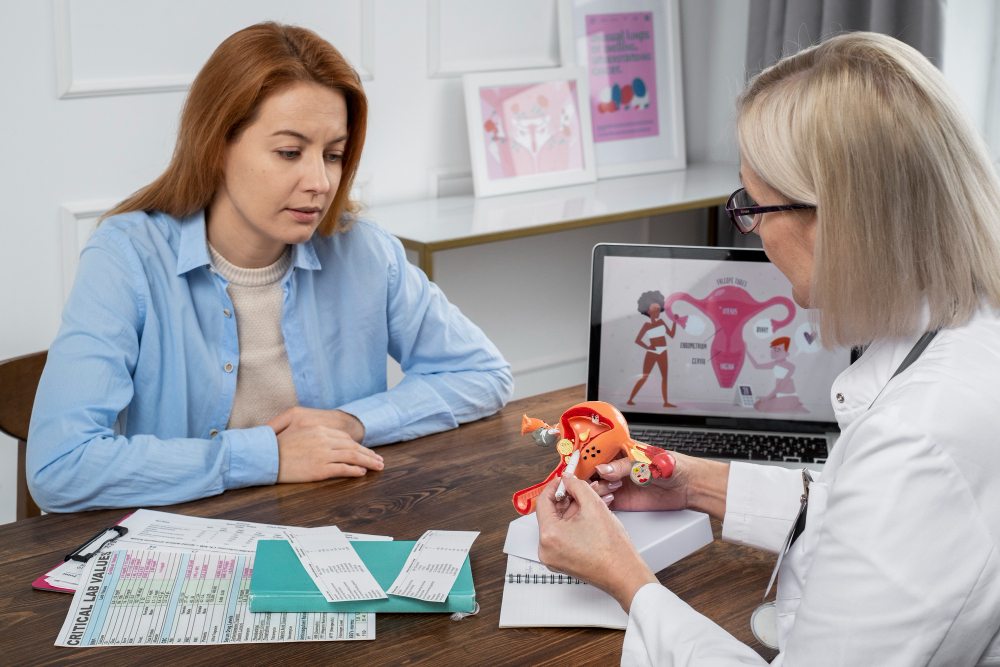
Ovarian cysts are fluid-filled sacs that form on or inside the ovaries. Many women experience ovarian cysts at some point in their lives. Often, these cysts are harmless and go away on their own. However, some can cause discomfort or health problems. In this blog, you will learn about ovarian cyst symptoms, causes, diagnosis, and treatment options. Understanding these facts can help you make informed choices about your health.
What Are Ovarian Cysts?
Ovarian cysts are small sacs filled with fluid. They develop on or inside a woman’s ovary. Most cysts form during the menstrual cycle. Usually, they are not cancerous. In fact, many women do not even know they have them. However, some cysts can grow larger or cause pain. There are different types of ovarian cysts, including:
Common Symptoms of Ovarian Cysts
Many ovarian cysts do not cause symptoms. However, some women may notice signs, especially if the cyst is large or ruptures. For example, you might feel:
Sometimes, a cyst can cause sudden, sharp pain if it bursts or twists. In rare cases, this can lead to serious problems. Therefore, it is important to watch for these symptoms and seek help if needed.
Causes and Risk Factors
Ovarian cysts can form for many reasons. Most often, they develop as part of the normal menstrual cycle. However, other factors can increase your risk. These include:
Although most cysts are not cancerous, the risk of cancer increases with age, especially after menopause. Therefore, regular check-ups are important.
How Ovarian Cysts Are Diagnosed
Doctors use several methods to diagnose ovarian cysts. First, they may ask about your symptoms and medical history. Next, they often perform a pelvic exam. If a cyst is suspected, your doctor may order tests, such as:
With these tests, doctors can decide if treatment is needed. Early diagnosis can help prevent complications. If you wonder, “How are ovarian cysts diagnosed?” these are the main steps.
Treatment Options for Ovarian Cysts
Treatment depends on the type, size, and symptoms of the cyst. Many cysts go away on their own. However, some may need treatment. Options include:
Most women recover well after treatment. However, regular follow-up is important to monitor your health. For the best ovarian cyst treatment, always follow your doctor’s advice.
Lifestyle Tips and Prevention
While you cannot always prevent ovarian cysts, some steps may help lower your risk. For instance:
Additionally, tracking your menstrual cycle can help you notice any changes early. Early action can lead to better outcomes.
When to See a Doctor
It is important to seek medical help if you notice symptoms like severe pain, fever, or vomiting. These may be signs of a burst cyst or infection. Also, if you have ongoing pelvic pain or changes in your period, talk to your doctor. Early diagnosis and treatment can prevent serious problems. If you live in a city like New York or Los Angeles, many clinics offer quick appointments for ovarian cyst concerns.
If you have concerns about ovarian cysts, consult a healthcare specialist for personalized advice.